How to Prevent Your Dog From Overheating (Digital Guide)
How to Prevent Your Dog From Overheating (Digital Guide)
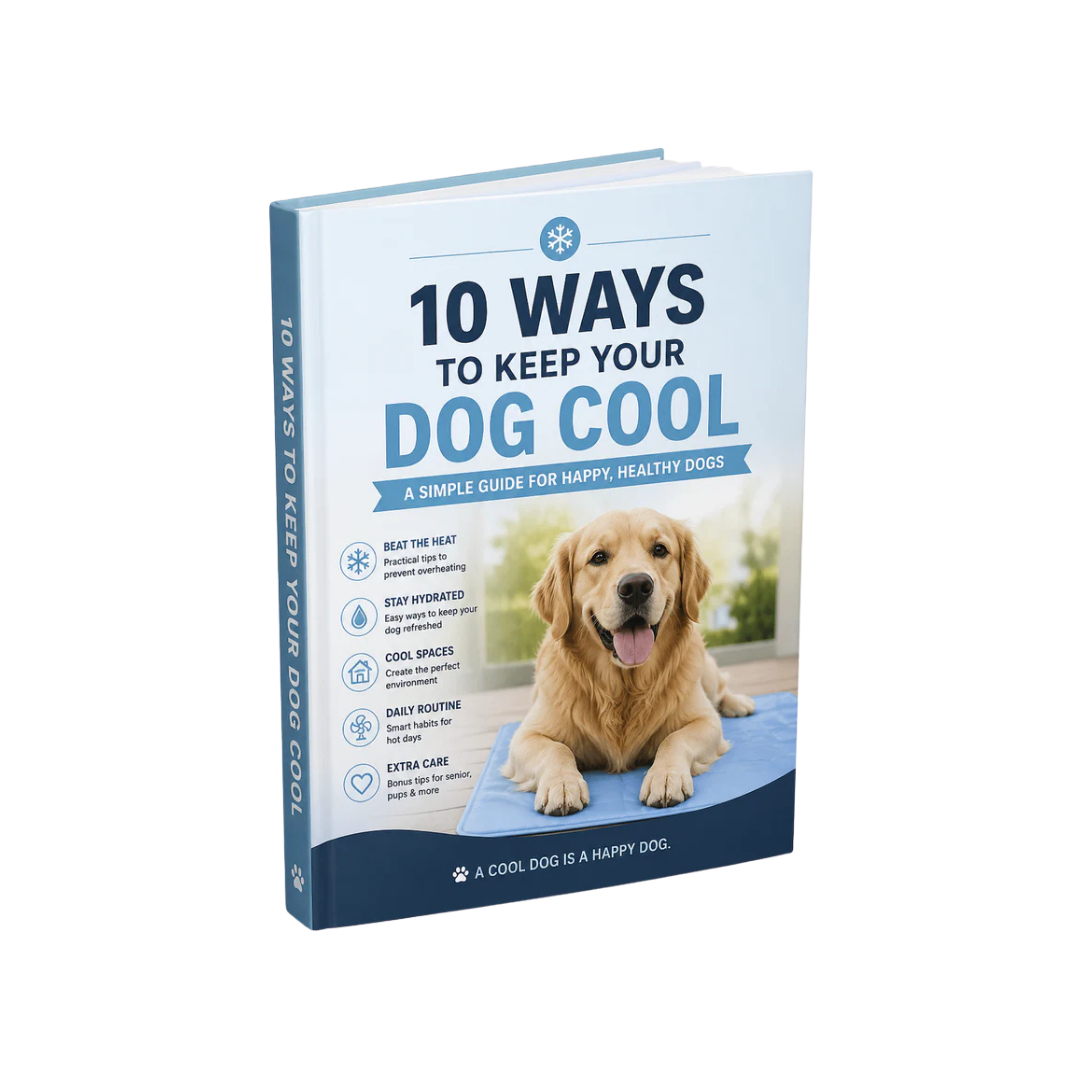
10 Ways to Keep Your Dog Cool
A Practical Guide to Preventing Overheating and Protecting Your Dog’s Health
Introduction
Warm weather poses a real physiological challenge for dogs. Unlike humans, dogs have a limited ability to regulate body temperature. They rely primarily on panting, which is significantly less efficient than sweating.
As a result, heat can build quickly—often faster than most owners expect.
This guide outlines practical ways to reduce heat stress, prevent dehydration, and create a safer environment for your dog during warmer conditions.
Understanding Heat Risk in Dogs
Dogs regulate heat primarily through:
• Panting (evaporative cooling through the respiratory system)
• Limited sweating through paw pads
This system has clear limitations. In high temperatures or humid conditions, panting becomes less effective.
Early signs of overheating include:
• Persistent or heavy panting
• Excessive drooling
• Lethargy or reduced responsiveness
• Seeking cool surfaces
Advanced signs require immediate action:
• Vomiting or diarrhea
• Disorientation
• Pale or bright red gums
• Collapse
1. Maintain Consistent Access to Fresh Water
Hydration supports temperature regulation and circulation.
• Provide multiple water bowls in different areas
• Refill regularly to keep water cool and clean
• Increase availability during hotter days
Dogs are more likely to stay hydrated when water is easily accessible.
2. Create a Dedicated Cool Resting Area
Dogs naturally seek cooler surfaces when overheated.
• Use tile or stone flooring where possible
• Keep the area shaded and ventilated
• Add cooling mats or damp towels
The goal is to provide a consistent, comfortable space for recovery.
3. Manage Indoor Temperature and Airflow
Indoor heat buildup is often underestimated.
• Use fans or air conditioning
• Keep curtains or blinds closed during peak sunlight
• Avoid poorly ventilated rooms
Maintaining stable airflow is more effective than reactive cooling.
4. Avoid Enclosed Heat Environments
Cars can become dangerously hot within minutes.
• Temperatures rise rapidly even in mild weather
• Cracked windows do not significantly reduce heat
There is no safe duration for leaving a dog in a parked vehicle.
5. Adjust Walk Timing and Surface Exposure
Heat from the ground can be as harmful as air temperature.
• Walk early in the morning or later in the evening
• Test pavement temperature before walking
• Reduce walk duration in high heat
Hot surfaces can burn paw pads quickly.
6. Use Cooling Aids When Necessary
Supportive tools can improve comfort in high temperatures.
• Cooling mats help regulate body temperature at rest
• Cooling vests assist during outdoor activity
• Portable water bottles encourage hydration
These tools work best alongside proper environmental management.
7. Use Controlled Water Exposure for Cooling
Water can safely lower body temperature when used correctly.
• Use cool or lukewarm water
• Focus on paws, abdomen, and inner legs
• Avoid ice-cold water
Gradual cooling is safer than rapid temperature changes.
8. Maintain Coat Health Through Grooming
A dog’s coat helps regulate heat.
• Regular brushing removes excess undercoat and improves airflow
• Avoid fully shaving double-coated breeds unless medically advised
The objective is to reduce insulation buildup without removing protective structure.
9. Support Hydration Through Diet and Treats
Additional hydration sources can help during warmer days.
• Offer water-rich foods in moderation
• Use frozen treats for cooling and enrichment
• Ensure all foods are safe for dogs
These should supplement, not replace, fresh water.
10. Modify Activity Levels Based on Temperature
Heat increases physical stress during activity.
• Reduce exercise intensity and duration
• Shift to indoor play or mental stimulation
• Monitor recovery after activity
Overexertion in heat can quickly become dangerous.
Dogs at Higher Risk
Some dogs require closer monitoring in warm conditions:
• Short-nosed breeds (such as bulldogs and pugs)
• Puppies and senior dogs
• Overweight dogs
• Dogs with respiratory or heart conditions
These dogs are more sensitive to heat and fatigue.
Emergency Response: Suspected Heatstroke
If overheating is suspected:
• Move your dog to a cool, shaded area
• Offer small amounts of water
• Apply cool (not cold) water to the body
• Contact a veterinarian immediately
Do not wait for symptoms to improve on their own.
Conclusion
Heat management is based on consistent daily habits—hydration, environment, activity control, and awareness.
Most heat-related issues are preventable. With the right approach, you can significantly reduce risk and maintain your dog’s comfort during warmer conditions.
About This Guide
This guide is provided to support informed, practical pet care. Small adjustments in routine can make a measurable difference in your dog’s safety and well-being.